
A wallet can keep your signing keys under your control while still revealing information about your holdings and payments. As this privacy overview reported on November 16, 2026, the distinction matters most on public blockchains: custody of a key does not make the transactions signed with it confidential.
Bitcoin’s privacy trade-off
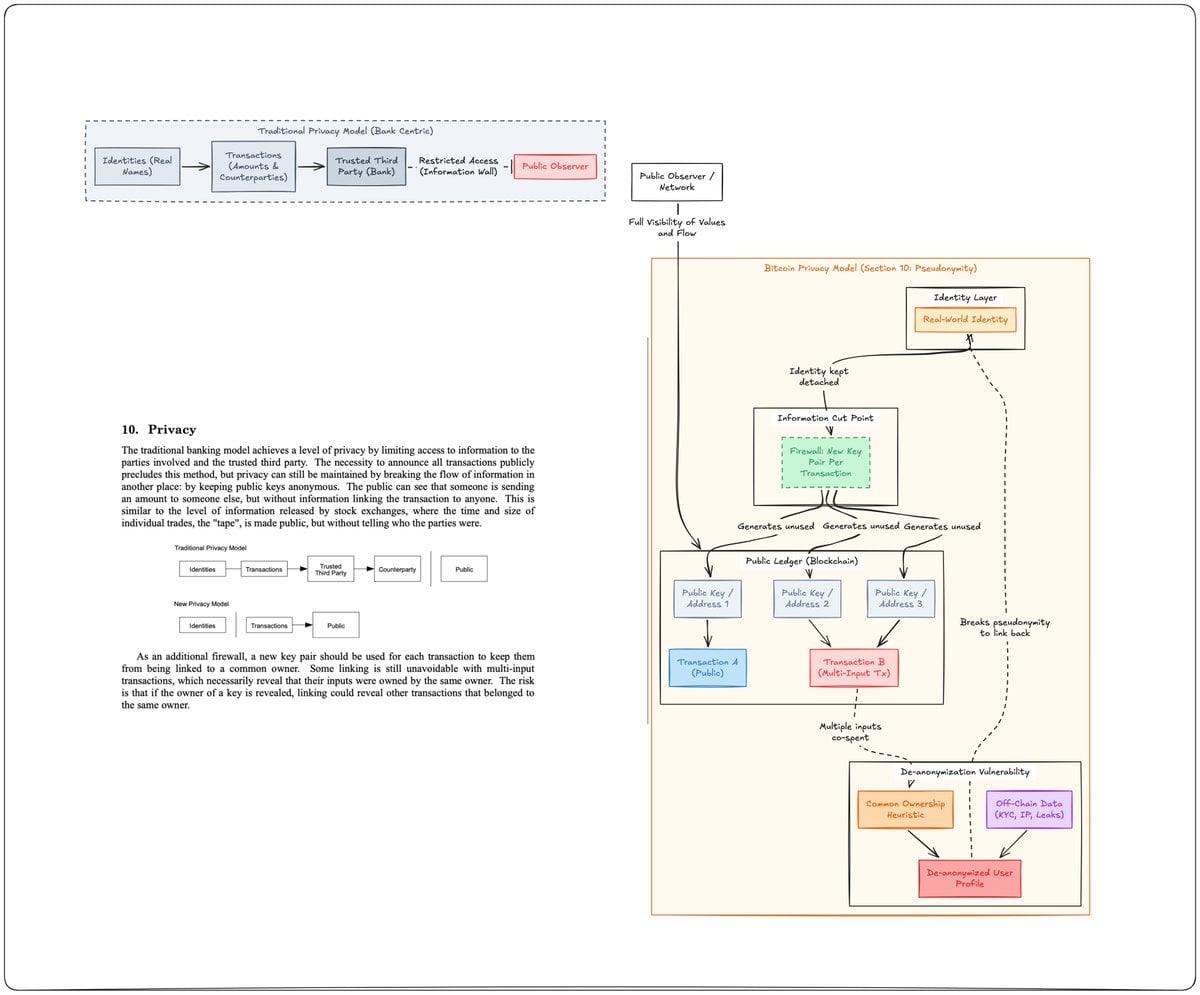
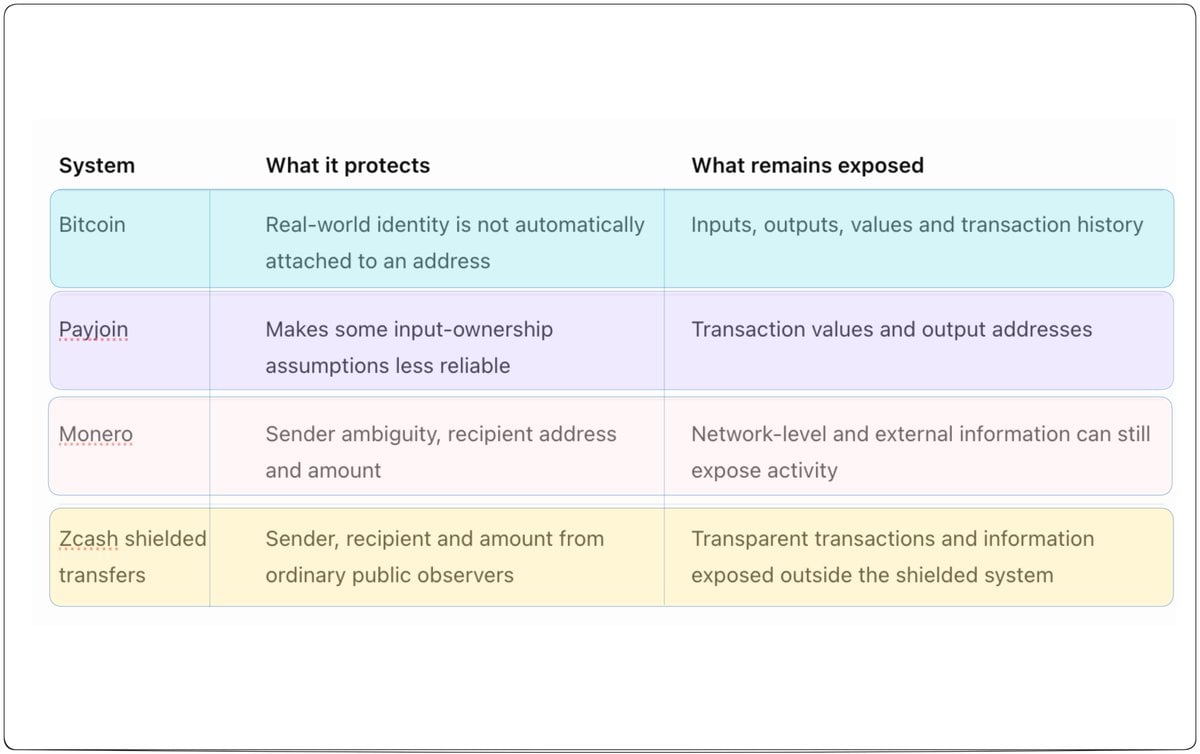
Anyone can inspect a confirmed Bitcoin transaction’s inputs, outputs, amounts, block height and timestamp. Addresses do not display names, but an address linked to a person through information outside the blockchain can make related activity easier to investigate. Analysts also use clues such as shared transaction inputs and possible change outputs to trace funds, though a guess about which output is change is not always correct.
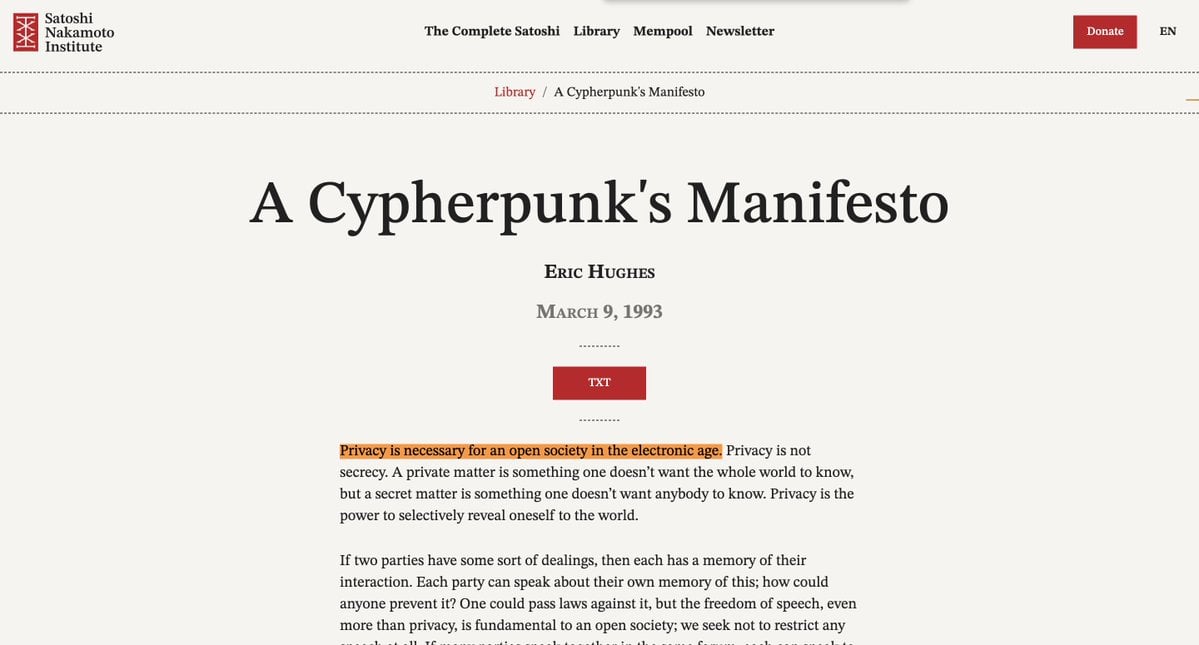
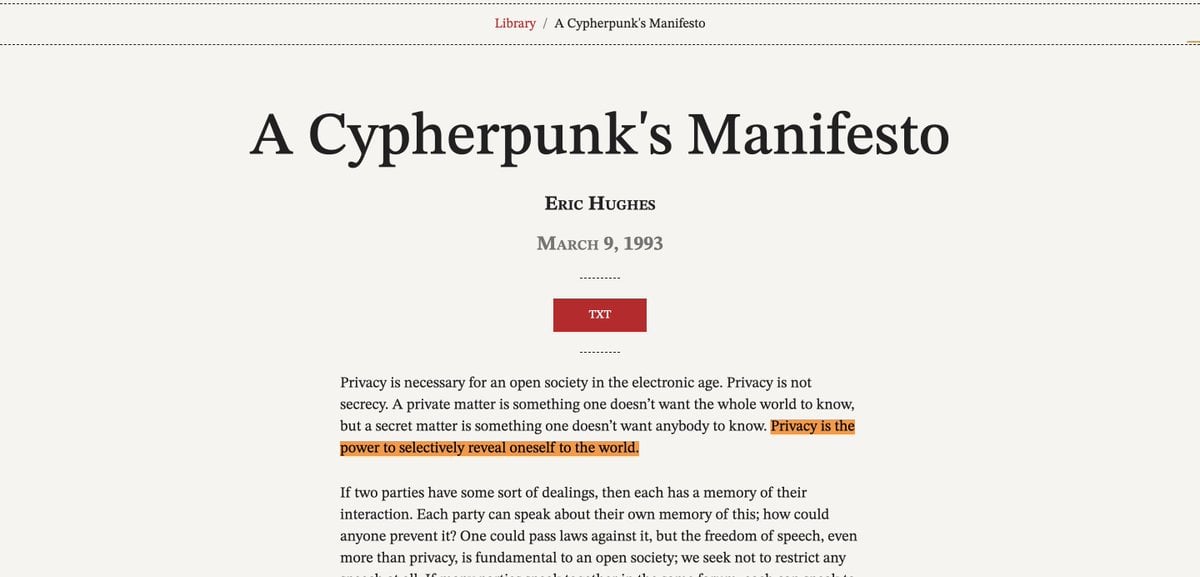
Satoshi Nakamoto acknowledged this trade-off in Section 10 of the Bitcoin white paper, published on October 31, 2008. The proposed defense was to keep public keys separate from real-world identities and use a new key pair for each transaction. That provides pseudonymity, not confidential payments: transaction details remain public.
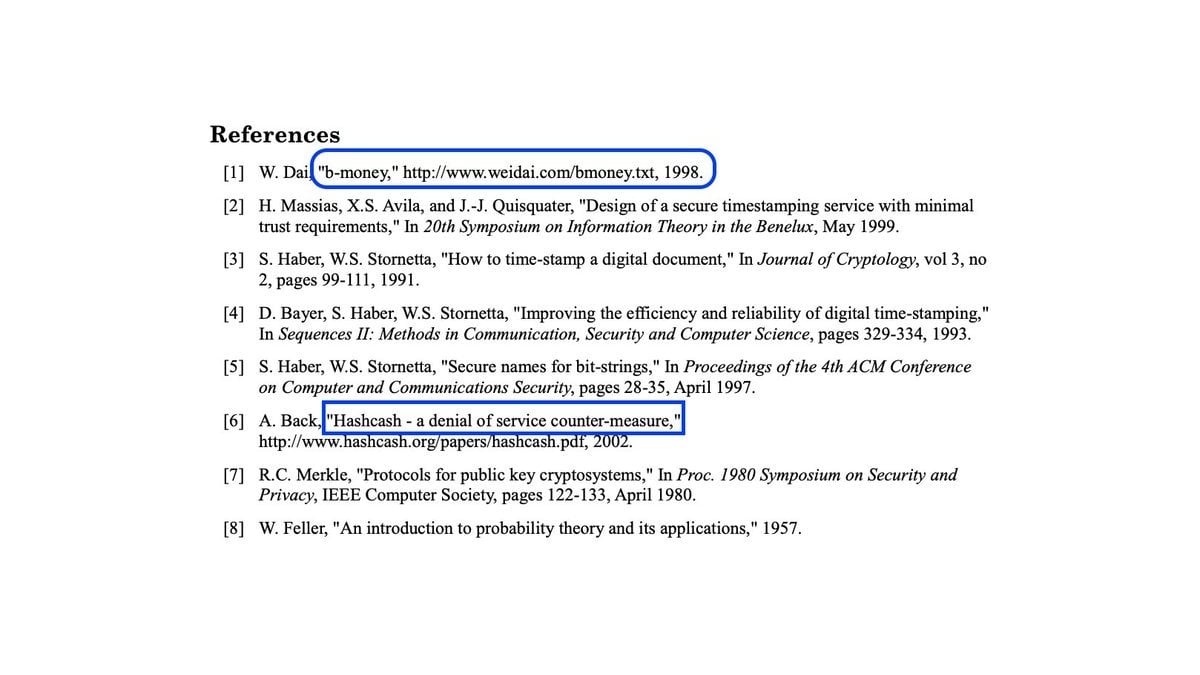
The tension predates Bitcoin. David Chaum’s 1982 work on blind signatures explored payments that an issuer could not readily link to its signed payment credentials, but relied on a central issuer. Later digital-cash proposals, including Hashcash, b-money, bit gold and reusable proof of work, addressed different pieces of the problem. Bitcoin’s white paper cited Hashcash and b-money.
Different tools protect different information
Privacy mechanisms should be judged by what an observer can still learn:
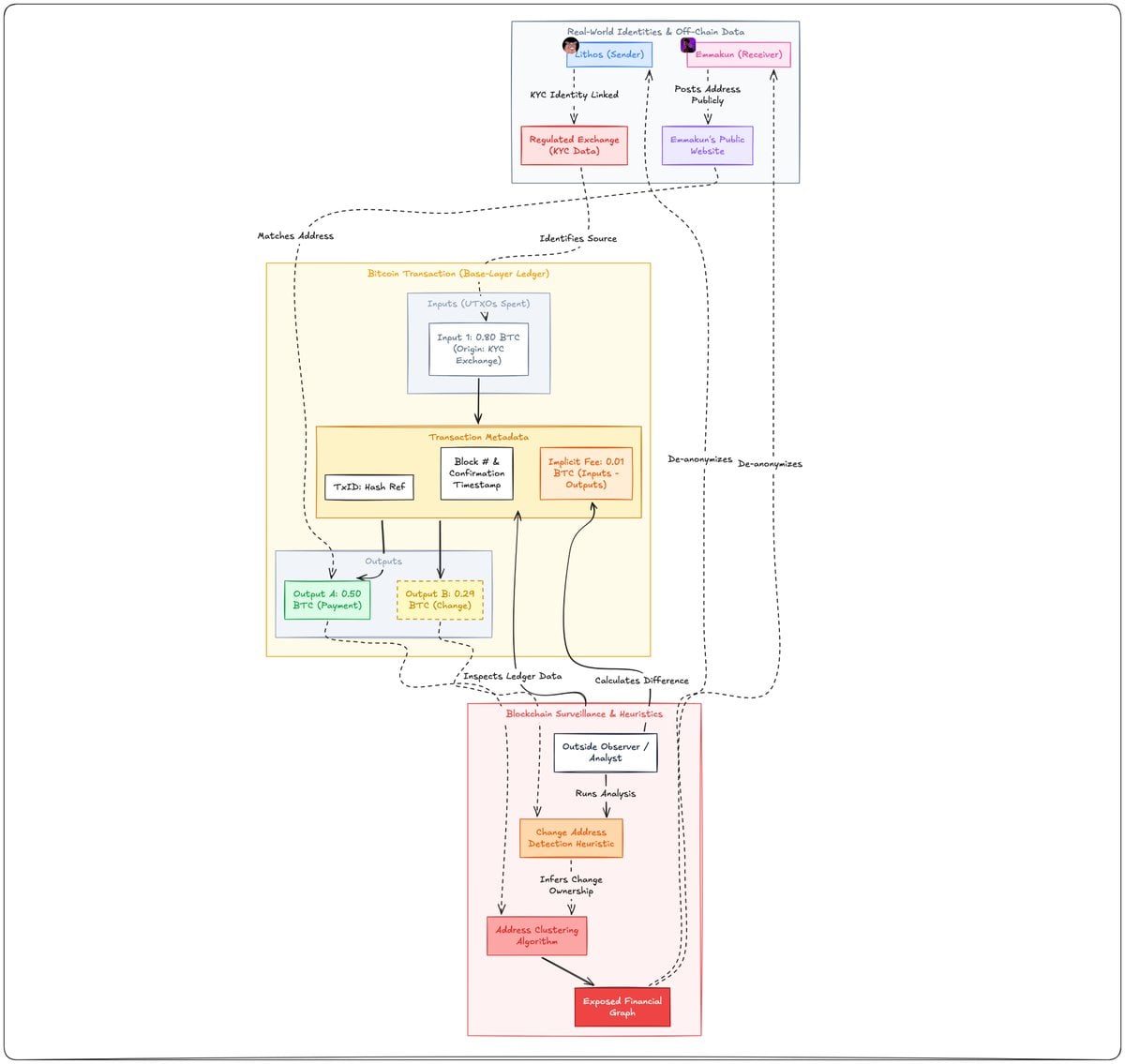
- Bitcoin Payjoin, defined in BIP 78, lets a recipient contribute an input to a payment. This undermines the common tracing assumption that every input in one transaction belongs to its sender. It does not hide amounts or make the transaction confidential.
- Monero uses ring signatures, stealth addresses and RingCT to obscure senders, recipients and amounts on-chain. Its sender protection still depends in part on the ring and on what outside information an observer has. Dandelion++ reduces some network-broadcast traceability but, according to Monero’s documentation, does not stop every form of network surveillance.
- Zcash shielded transactions use zero-knowledge proofs to validate transfers without publicly revealing their sender, recipient or amount. Zcash also supports transparent addresses, whose transactions remain visible. Viewing keys allow selected disclosure without granting spending authority.
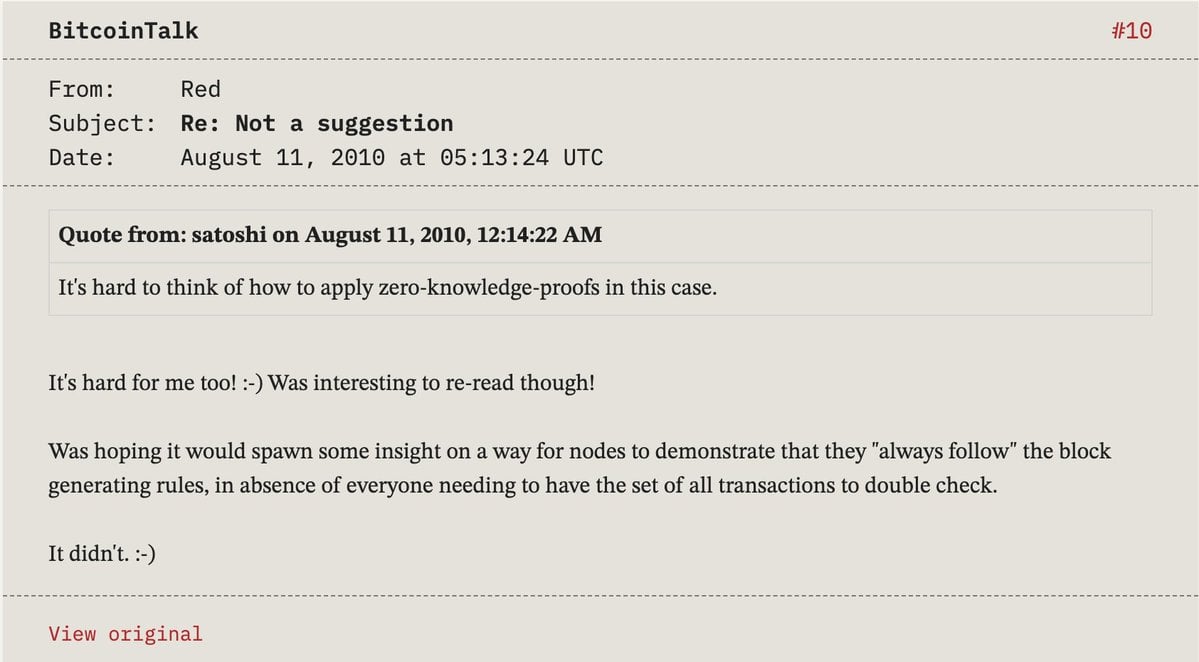
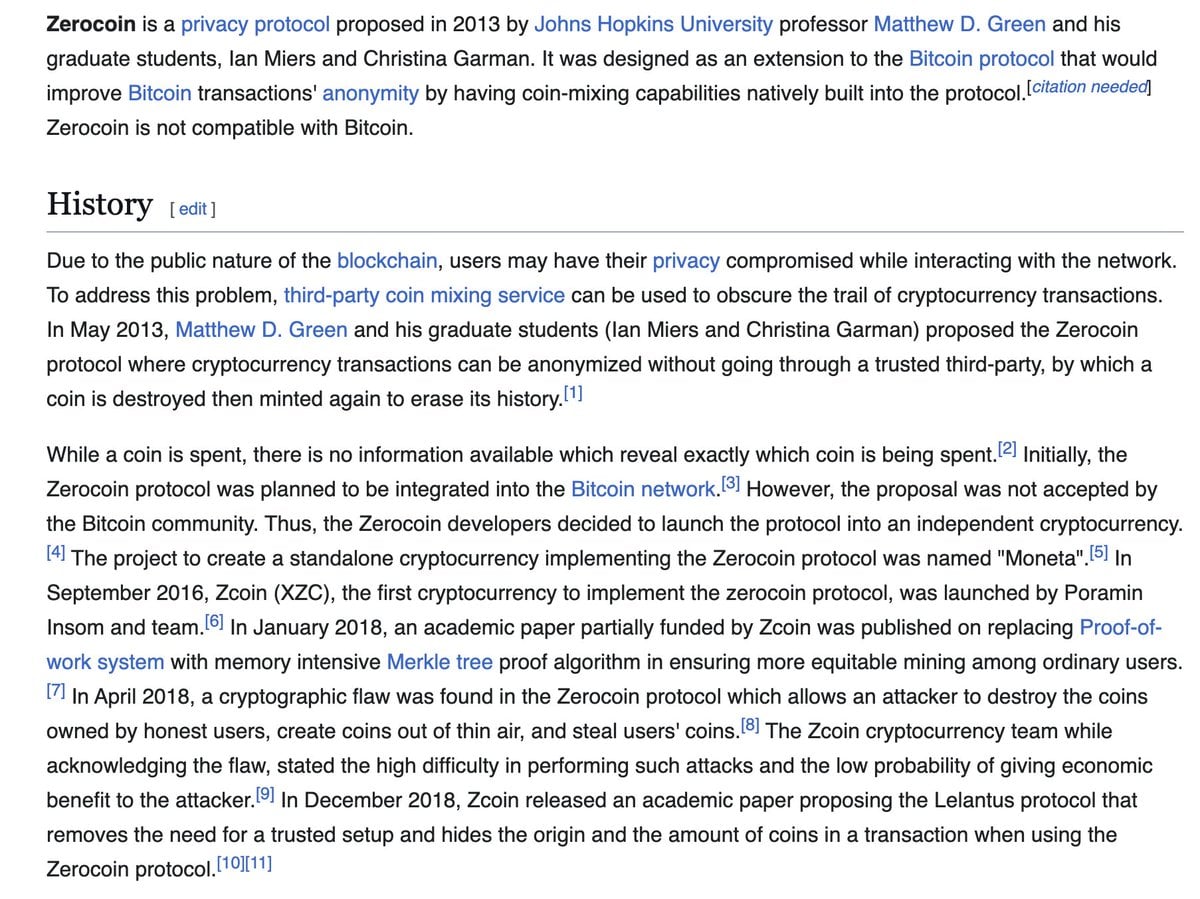
The 2013 Zerocoin and 2014 Zerocash research marked steps toward hiding more payment details while retaining verification. None of these on-chain protections, by itself, prevents an internet provider, remote node, compromised device or identity-verifying exchange from learning information outside the ledger.
Privacy questions extend to applications, too. Aztec’s design separates locally executed private functions from public functions, although requests to remote nodes can still reveal what data a client seeks. Oasis Sapphire uses trusted execution environment hardware for confidential contracts, introducing trust in the hardware and its implementation. Solana-based Umbra’s V2 design focuses on transfers within a shielded pool; deposits and withdrawals can still leave visible timing and amount clues. Privacy Pools proposes proofs tied to screened association sets so users can demonstrate membership without identifying a particular deposit. These are different trust and disclosure models, not interchangeable guarantees.
Check the wallet’s queries, not just its transactions
A wallet may ask a remote RPC provider for an address’s balance, history, transaction simulation or token information before any transaction is sent. Those requests can tell the provider which account the user is examining. The Ethereum privacy-wallet and SDK initiative Kohaku aims to address this boundary; its described approach includes private information retrieval so a server can answer a query without learning which account was requested. That is a design goal, not evidence that every wallet query is already private.

For a holder assessing a wallet or privacy feature, the manageable question is: who can see the address when the wallet checks it, and what remains visible when funds move? Keeping keys safe, limiting what a service learns from queries, and concealing transaction details solve separate problems. No single measure removes all three risks.