A wallet’s private key is not exposed simply because a website uses PHP. The concern is what could happen if an attacker takes control of a site that helps users prepare transactions or operates services connected to signing systems.
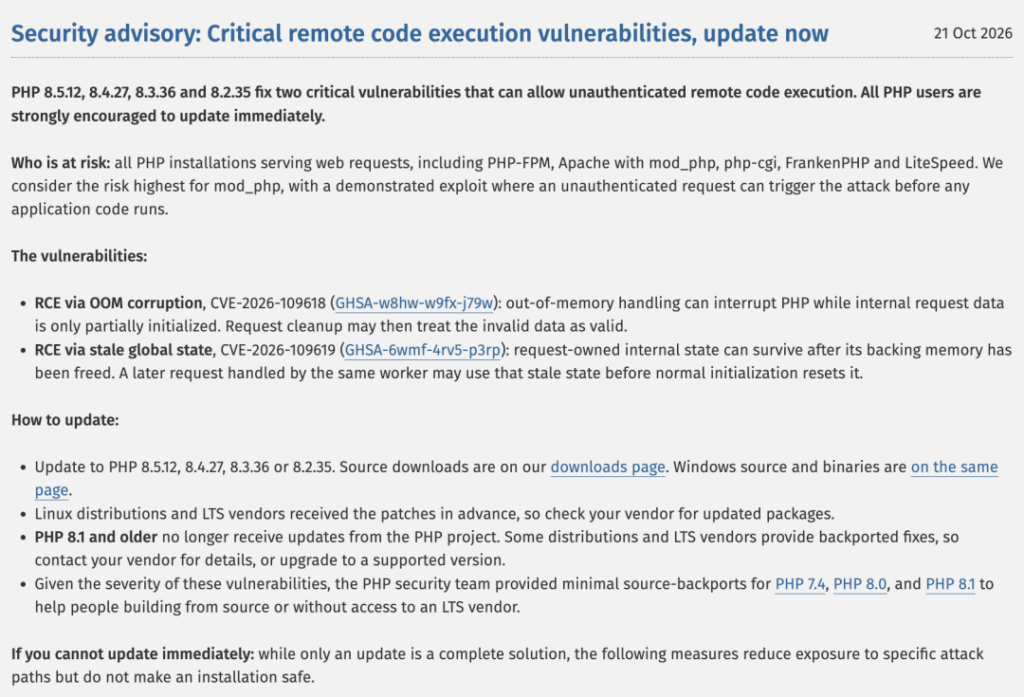
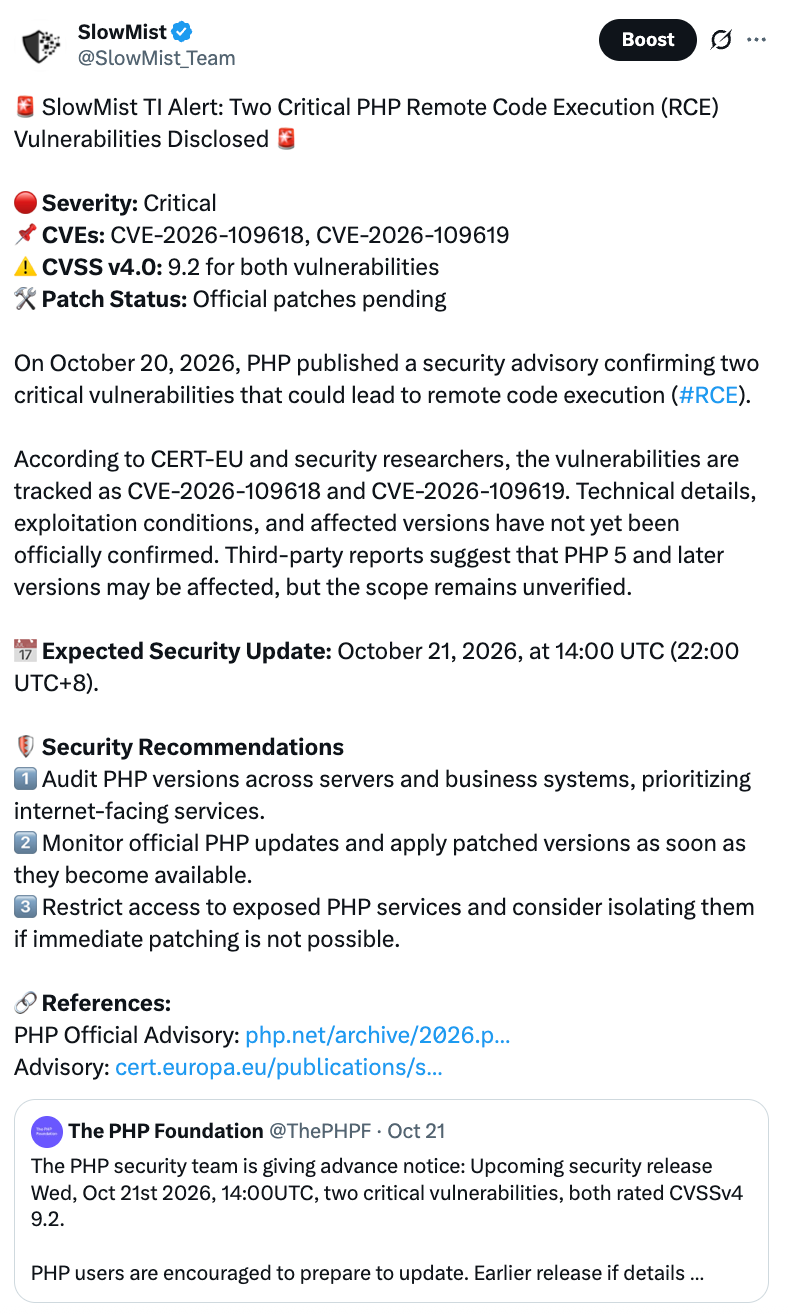
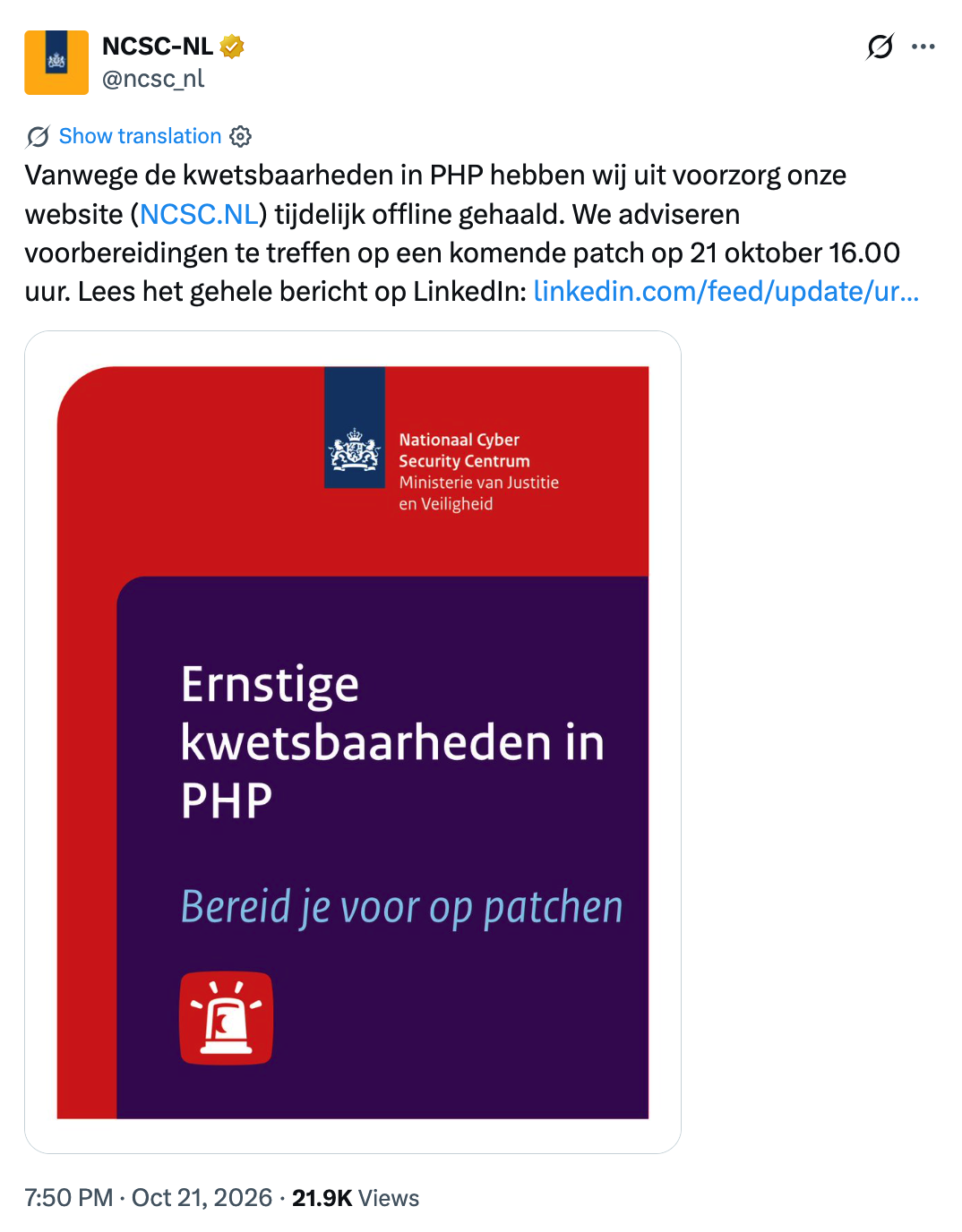
As reported on October 22, 2026, the PHP project had issued emergency fixes for two vulnerabilities, CVE-2026-109618 and CVE-2026-109619. Both were rated 9.2 under CVSS v4.0 and could allow unauthenticated remote code execution. The report says vulnerability details leaked on October 20, before patches were available, prompting the PHP security team to move its emergency release from October 22 to October 21 at 14:00 UTC.
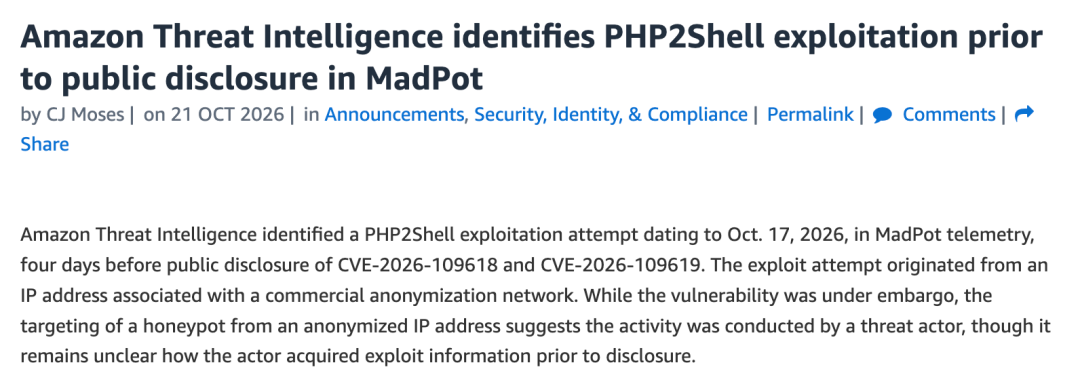
Amazon’s threat intelligence team reported seeing attempts to exploit “php2shell” in its MadPot honeypot network on October 17—four days before public disclosure. An observed attempt does not, by itself, establish that a website was compromised.
What the vulnerabilities affect
CVE-2026-109618 involves memory corruption during out-of-memory handling: cleanup may treat partially prepared data as complete. CVE-2026-109619 involves stale global state that may remain after a request frees memory and be used by the same worker during a subsequent request. According to the report, PHP confirmed that the latter could be used to attack PHP-FPM and achieve remote code execution.
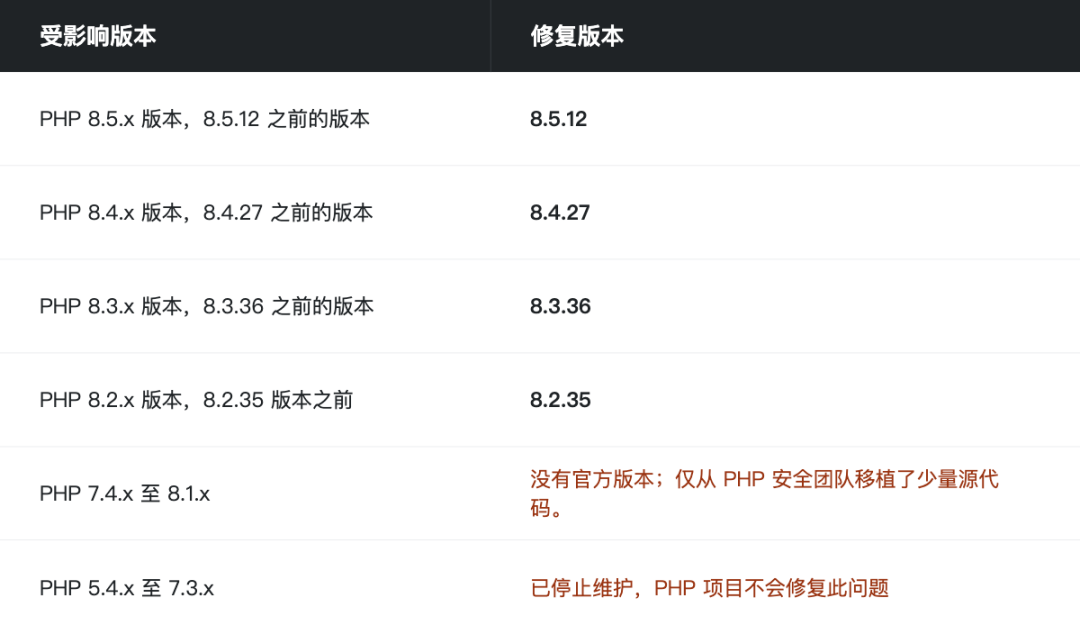
The report identifies PHP 5.4 through 8.5.11 as affected and lists 8.2.35, 8.3.36, 8.4.27 and 8.5.12 as fixed releases. PHP 8.1 and earlier no longer receive routine upstream support; operators of those versions need a vendor-provided patch or a migration path. Checking the version of the runtime actually serving requests matters more than checking only a command-line installation.
Why a server flaw matters to asset custody
A vulnerable PHP installation does not mean its users’ wallets have been breached. But a compromised Web3 front end could present altered contract addresses, approval requests or signing prompts. An attacker with access to server-side credentials might also reach an API, an administrative system or a hot-wallet service. Whether that becomes an asset loss depends on which credentials and permissions are accessible and how signing systems are isolated from the web server.
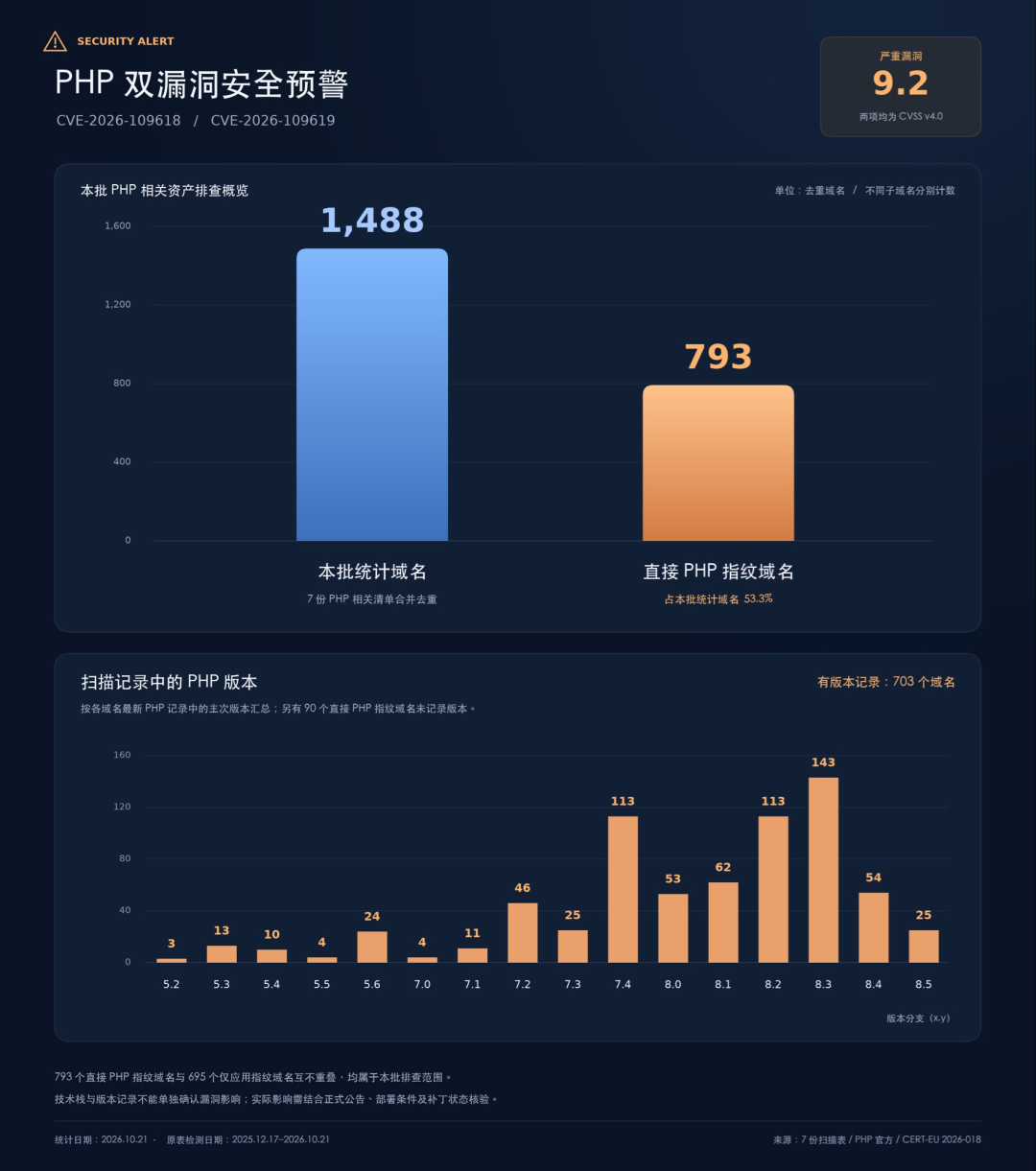
SlowMist’s MistEye counted direct PHP fingerprints on 793 of 1,488 crypto-related domains it scanned, or about 53.3%. A fingerprint indicates use of PHP—not that a domain is vulnerable or compromised. The report identifies no confirmed wallet losses from these vulnerabilities.
For operators, the immediate work is to inventory PHP services, apply a fixed release or equivalent provider patch, restart or replace PHP workers, and check previously exposed systems for signs of intrusion. Where patching must wait, access controls can reduce exposure but do not replace a fix. Credentials accessible to a potentially compromised web service warrant review and, where appropriate, rotation. Keeping signing keys and hot-wallet controls separate from web servers limits what a web-server intrusion can reach.
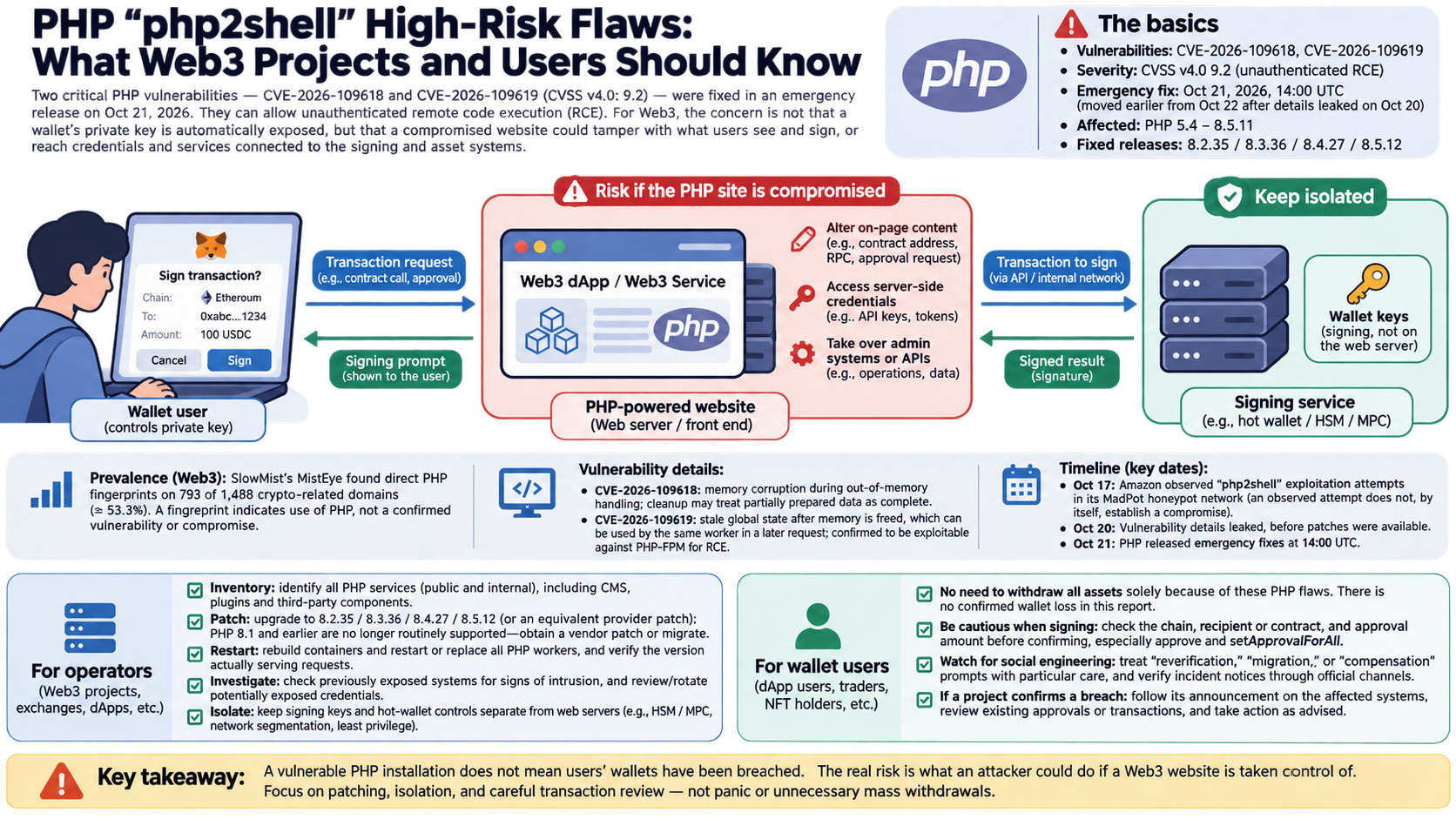
For wallet users, there is no basis in this report to withdraw all assets solely because of these PHP flaws. A manageable precaution is to pause at each unexpected signing request: check the chain, recipient or contract, and approval amount before confirming. Treat “reverification,” migration or compensation prompts with particular care, and verify incident notices through official channels rather than relying on a page or message alone. If a project confirms a breach, follow its account of the affected systems and assess existing approvals or transactions accordingly. A confirmed seed-phrase or signing-key exposure is a different, more serious recovery problem; changing a website password or disconnecting a wallet would not resolve it.